What are the essential travel documents required for a trip to South Korea?
British citizens visiting South Korea will need a valid
passport. South Korea allows visa-free entry for short stays for
British passport holders for up to 90 days. However, anyone
eligible for visa-free entry is usually required to authorisation
through the K-ETA system before departure. You can apply at the
official site here.
What is the best time to visit South Korea?
The best times to visit South Korea tend to be spring and
autumn. Spring has the cherry blossoms, but that can lead to cities
being busy. Autumn sees the mountains burst with vibrant foliage
and Chuseok (Korean Thanksgiving) usually falls in September and
October. Summer tends to be hot, with the monsoon season in
July.
What is the local currency in South Korea, and how can I access money during my trip?
The official currency is the South Korean Won (KRW). Most
businesses accept credit cards, and Korea is a largely cashless
society - but it is still required for small purchases, traditional
markets and street food stalls. Most banks have available ATMs
where you can use credit cards.
Is it necessary to learn Korean before visiting?
Learning basic Korean phrases can help and is highly
appreciated, but many people, especially in tourist areas, speak a
little English. Korean people can be a little shy using their
English, so a translation app is recommended.
What is the transportation system like in South Korea?
South Korea's transportation is one of the best in the world.
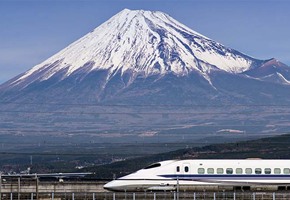
KTX high-speed trains offer fast, clean, safe and affordable
transport across the country. Major cities like Seoul and Busan
have comprehensive metro systems. Buses, subways and even taxis can
be paid for with the T-Money Card. These can be purchased at
convenience stores or airport vending machines.
What are the must-visit attractions in South Korea?
South Korea offers a diverse range of attractions from historic
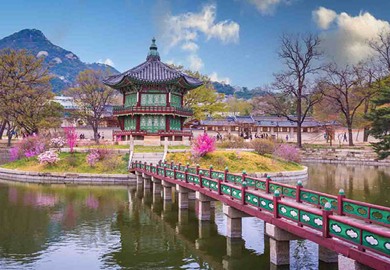
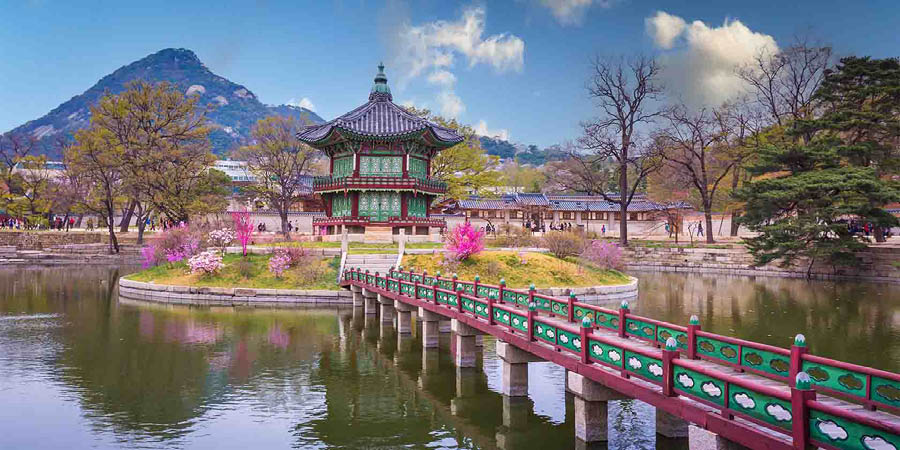
and cultural to traditional and gastronomic. Gyeongbokgung Palace
in Seoul is the 14th-century base of the Joseon Dynasty. Hongdae
and Gangnam are vibrant art and culture centres, where you can
become immersed in the K-Pop phenomenon. Outside Seoul, you can
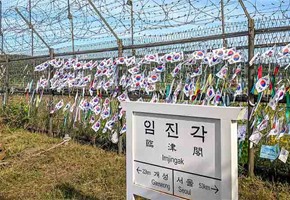
visit the DMZ (Demilitarised Zone) on the border with North Korea.
The city of Gyeongju is known as the 'museum without walls' while
Busan is the south's coastal capital, famed for sandy beaches and
seafood such as oysters.
Is South Korea a safe destination for tourists?
Yes, people consider South Korea one of the safest countries for
tourists. Crimes rates are low, and the people are generally
helpful and honest. However, it's always advisable to take standard
precautions and be aware of your surroundings.
What is the etiquette regarding tipping in South Korea?
People in South Korea do not commonly practice tipping and may
even consider it rude. The price already includes exceptional
service, and a simple 'thank you' or bow will suffice. For high-end
hotels and guides, small tips in a clean, folded envelope may be
appreciated.
Are there any cultural customs or taboos I should be aware of?
Rooted in Confucianism, South Korean society highly values
respect for elders. When meeting someone older, bow slightly when
greeting and saying goodbye. Use two hands when giving or receiving
money and maintain a low volume when talking in public. Speaking
loudly or using the phone on the subway is considered rude.
How is the food in South Korea, and are there vegetarian/vegan options?
South Korean cuisine has seen a rapid increase in popularity
around the world. Focused on spicy flavours (gochujang paste),
fermented vegetables (kimchi), the food is often colourful and full
of flavour. Vegetables are used heavily in Korean cuisine, but
often with a fish sauce or broth. Look for chaesik (vegetable-only)
options in restaurants. Some of the most popular Korean dishes are
bibimbap (rice and vegetables with or without meat and eggs),
Korean fried chicken, bulgogi (marinated beef) or tteokbokki (spicy
rice cakes). The most popular beverage is Soju - a clear, distilled
Korean spirit with a similar taste to vodka but a much lower
percentage (13-20% ABV).



 Classic